Source Pumpkin Ghost Stake Lights for Halloween, Garden, and Home Decor
Compare 30 pumpkin ghost stake light options from verified suppliers. These multifunctional decorations feature plastic or wood materials, solar or battery power, and customizable colors for Halloween and everyday use; compare the available evidence and request quotations based on your requirements.
Key considerations
Products List


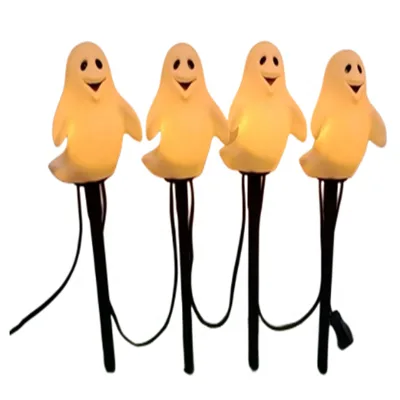

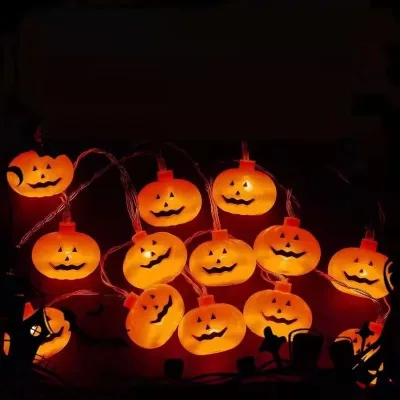
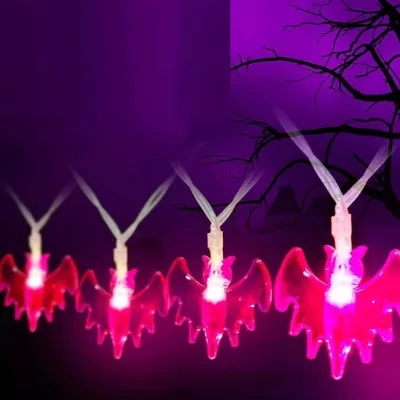


Comprehensive Sourcing Guide
Pumpkin Ghost Stake Light Sourcing Guide
Sourcing pumpkin ghost stake lights requires a careful balance between aesthetic appeal and functional reliability, particularly for seasonal retail and landscaping projects. These decorative items often serve as focal points for Halloween displays, garden pathways, and commercial holiday installations. Buyers must navigate a market where customization is prevalent, allowing for tailored colors, sizes, and packaging to match specific brand identities or event themes. The versatility of these products extends beyond traditional plastic materials, with options including wood and composite materials that offer different durability profiles and visual textures.
Procurement teams should prioritize suppliers who demonstrate flexibility in design and production capabilities. Many manufacturers support OEM and ODM services, enabling buyers to create unique product lines that stand out in competitive markets. Understanding the supply chain dynamics is crucial, as lead times and minimum order quantities can vary significantly based on the complexity of the customization requested. Establishing clear communication channels early in the sourcing process helps ensure that design specifications are accurately translated into physical products, reducing the risk of costly revisions or delays during peak seasonal demand periods.
Product Scope and Observed Listing Signals
The observed product landscape for pumpkin ghost stake lights reveals a diverse range of materials and configurations, primarily centered around plastic and wood constructions. Listings indicate that these items are suitable for children and designed for decoration in various spaces, including gardens, homes, and commercial areas. The color options are extensive, ranging from multicolor designs to customized hues, allowing buyers to align products with specific marketing campaigns or thematic requirements. This flexibility in appearance is a key driver for procurement decisions, as visual impact is often the primary selling point for seasonal decor.
Technical specifications vary widely, with models ranging from simple 40cm stakes to more complex multi-piece sets with specific dimensions like 20CM11CM26CM. Some products feature integrated lighting systems with LED bulbs, offering changeable emitting colors and multiple power sources such as solar, battery, or plug-in options. Buyers should note that packaging details also differ, with options including custom paper boxes or standard cartons, which can impact shipping efficiency and retail presentation. Understanding these variations is essential for selecting products that meet both functional needs and logistical constraints.
Technical Specifications to Verify
When evaluating pumpkin ghost stake lights, verifying technical specifications is critical to ensuring product performance and safety. Key parameters include the IP rating, with many listings indicating IP65 waterproofing, which is essential for outdoor use in varying weather conditions. Buyers should also confirm the power source options, such as solar panels, battery boxes requiring 3AA cells, or direct plug-in connections, as these affect installation flexibility and maintenance requirements. Additionally, the length of lead wires and the distance between bulbs can be customized, so it is important to align these specifications with the intended display layout and electrical safety standards.
Material composition and structural integrity are equally important considerations. Products may be constructed from plastic, wood, or combinations of materials like plastic, glass, and wire, each offering different durability and aesthetic qualities. Buyers should verify the dimensions and weight of the stakes to ensure they are stable enough to remain upright in soil or other surfaces. Furthermore, checking the bulb quantity and type, such as LED counts, helps assess the brightness and energy efficiency of the product. Clear documentation of these specifications in the supplier’s catalog or technical datasheet is necessary to avoid discrepancies during production.
Compliance and Safety Documentation
Compliance with international safety and environmental standards is non-negotiable for pumpkin ghost stake lights, especially when targeting markets with strict regulatory requirements. Buyers must ensure that suppliers provide valid certifications such as CE, RoHS, GS, and FDA, which attest to the product’s adherence to electrical safety, material restrictions, and food contact safety if applicable. These certifications are particularly important for products intended for use by children or in public spaces, where safety risks must be minimized. Verifying the authenticity and scope of these certifications through independent testing labs or supplier audits is a crucial step in the procurement process.
In addition to product-level certifications, buyers should inquire about the manufacturing processes and quality control measures implemented by the supplier. Documentation regarding the origin of materials, such as the use of lead-free components or sustainable wood sources, can enhance the product’s marketability and compliance with environmental regulations. It is also advisable to request test reports for electrical safety, particularly for products with plug-in or battery-operated lighting systems, to ensure they meet local electrical codes. Maintaining a comprehensive file of all compliance documents helps mitigate legal risks and facilitates smoother customs clearance in international trade.
Cost Drivers and Commercial Terms
The cost of pumpkin ghost stake lights is influenced by several factors, including material selection, customization complexity, and order volume. Products with intricate designs, multiple color options, or custom packaging typically command higher prices due to increased production time and resource usage. Buyers should also consider the impact of minimum order quantities (MOQs) on unit costs, as larger orders often benefit from economies of scale. Understanding the supplier’s pricing structure, including any setup fees for custom molds or designs, is essential for accurate budgeting and cost comparison across different suppliers.
Commercial terms such as payment methods, shipping arrangements, and lead times play a significant role in the overall procurement cost. Buyers should negotiate favorable terms that align with their cash flow and inventory management strategies. For instance, suppliers with high supply abilities, such as 5000 pieces per day, may offer more flexible delivery schedules, which can be advantageous for meeting seasonal demand peaks. Additionally, clarifying responsibilities for shipping and insurance, particularly for international orders, helps avoid unexpected costs. Establishing clear commercial terms early in the negotiation process ensures a smooth transaction and reduces the risk of disputes.
Supplier Qualification and Quality Control
Selecting a reliable supplier for pumpkin ghost stake lights requires thorough qualification and ongoing quality control measures. Buyers should assess the supplier’s production capacity, technical expertise, and track record in the decorative lighting industry. Visiting the manufacturing facility or conducting virtual audits can provide insights into the production processes, quality control systems, and working conditions. Suppliers with established quality management systems, such as ISO certifications, are more likely to deliver consistent product quality and meet strict delivery schedules. Building a strong relationship with qualified suppliers fosters trust and facilitates better collaboration on product development and problem-solving.
Implementing a robust quality control plan is essential to ensure that the received products meet the specified standards. This includes pre-production samples approval, in-process inspections, and final random inspections before shipment. Buyers should define clear acceptance criteria for visual defects, electrical functionality, and packaging integrity. Engaging third-party inspection services can provide an objective assessment of product quality and compliance. Regular feedback and performance evaluations of suppliers help identify areas for improvement and ensure that the supply chain remains efficient and reliable over time.
Long-Term Procurement Checks
Long-term procurement success for pumpkin ghost stake lights depends on continuous monitoring and adaptation to market changes. Buyers should regularly review supplier performance metrics, including on-time delivery rates, product quality consistency, and responsiveness to issues. Establishing key performance indicators (KPIs) and conducting periodic supplier audits helps maintain high standards and identifies potential risks early. Additionally, staying informed about industry trends, such as new materials, technologies, or regulatory changes, allows buyers to proactively adjust their sourcing strategies and product offerings.
Building a diversified supplier base can mitigate risks associated with single-source dependencies, such as production disruptions or price volatility. Buyers should explore opportunities to work with multiple suppliers for different product lines or regions, ensuring supply chain resilience. Furthermore, fostering open communication and collaborative relationships with suppliers can lead to joint innovation and cost-saving initiatives. By maintaining a strategic approach to supplier management and continuously evaluating procurement processes, buyers can achieve sustainable growth and competitive advantage in the seasonal decor market.
FAQs
What materials are used for pumpkin ghost stake lights?
These lights are primarily constructed from plastic, wood, or a combination of plastic, glass, and wire. The choice of material depends on the specific product model and design requirements. Buyers can select durable plastic options for outdoor resilience or wooden stakes for a traditional aesthetic. Customization is available to meet specific material preferences for different decoration styles.
Can these lights be customized for specific orders?
Yes, customization is available for these decoration items. Buyers can request customized colors, sizes, and packaging details such as custom paper boxes. OEM and ODM support is provided to accommodate unique branding or design needs. This flexibility allows businesses to tailor the pumpkin ghost stake lights to their specific market requirements and aesthetic preferences effectively.
What certifications do these pumpkin ghost stake lights have?
The products hold CE, RoHS, GS, and FDA certifications. These standards ensure safety and compliance for various international markets. The certifications cover electrical safety and material restrictions, which is crucial for festival and home usage. Buyers can rely on these documented standards to verify product quality and regulatory adherence for their sourcing needs.
What is the typical packaging for these lights?
The standard packaging is typically a carton, with some models offering custom paper boxes. The box size is approximately 14 by 7 by 9 cm for certain units. Packing quantity may vary, with some boxes containing fifty pieces. This packaging ensures safe transport and storage, making it suitable for bulk orders and commercial distribution channels.
Where are these pumpkin ghost stake lights manufactured?
These products originate from China, specifically from Guangdong. The port of dispatch is Shenzhen, facilitating efficient logistics for international buyers. The manufacturing location supports a supply ability of 5000 pieces per day. This origin ensures access to established supply chains and production capabilities for high-volume decoration orders.
What power sources are available for these lights?
The lights can be powered by solar energy, battery boxes, or plug-in options. Some models use a 3AA scintillation cell box for battery operation. The power source choice depends on the specific product model and intended usage location. This versatility allows for flexible installation in gardens, homes, or commercial landscaping without requiring fixed electrical connections.